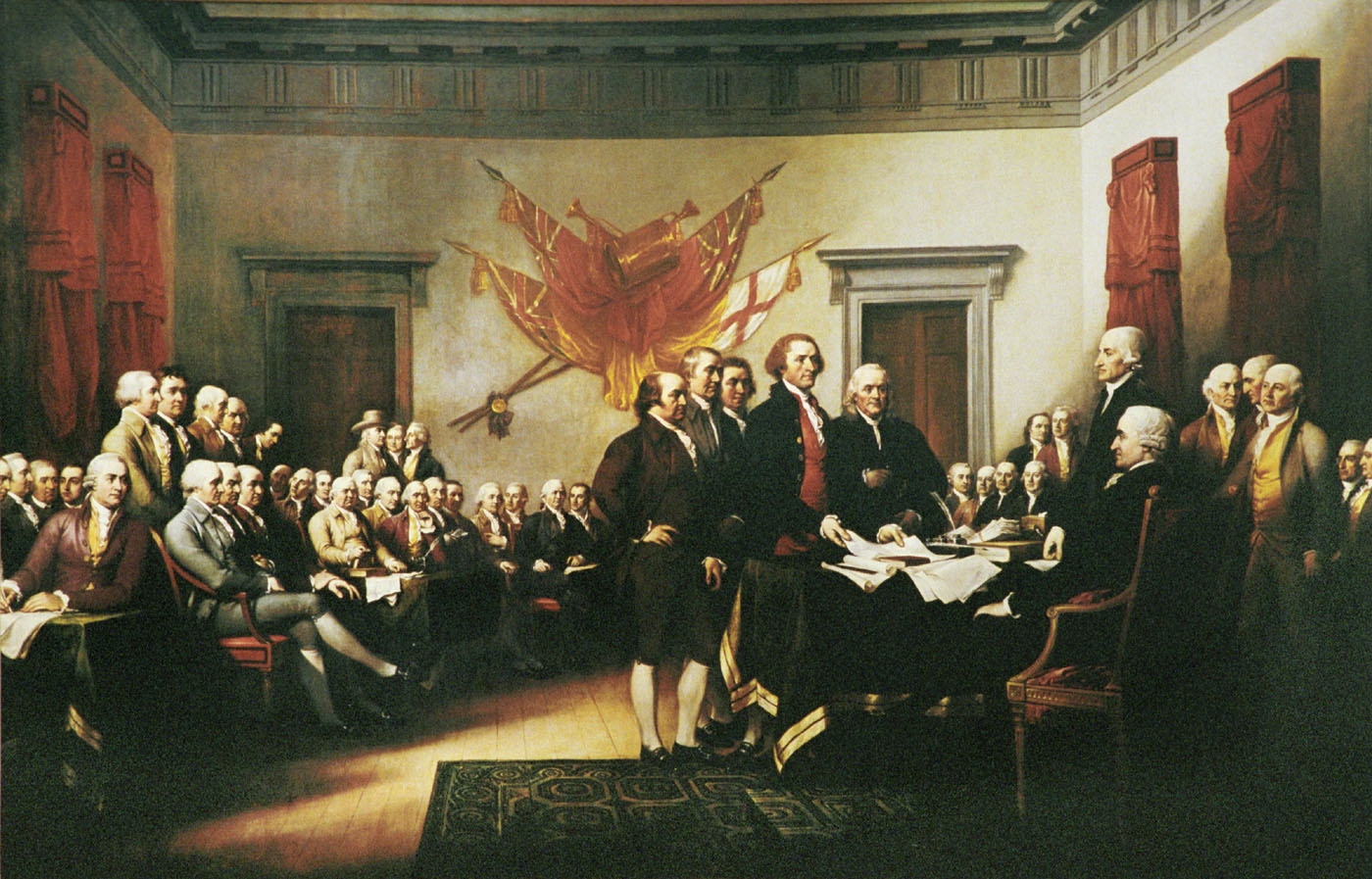
 The American Revolution is an event in our country's history that every student comes across at some point in their education. They learn about the patriots, the loyalists, Thomas Jefferson, John Adams, and George Washington and that there was an American victory. The most important aspect--the patriots--is glossed over. The American Revolution is often categorized by just a small group of elite names, but there was a much larger faction that gave the Founding Fathers the power to help formalize a revolution. They needed the fuel of the common people. The average farmer, shopkeeper, artisan, and merchant had a knowledge of what was going on around them because of the media. Newspapers, pamphlets, and other print media kept patriots of all classes throughout the colonies informed on the events of what became the American Revolution.
Most of the events that led to the Revolutionary war were in a centralized area.
Boston, Massachusetts faced the most oppression by the British government. The British quartered troops in Boston citizens' homes, closed their port, and stationed thousands of soldiers in the streets. Boston was were all of the action was. The Boston Tea Party and the Boston Massacre were major turning points in the Revolution. The people of Boston had a front row seat to the drama that happened in the city. The rest of the colonies, however, did not. Without newspapers, no one outside of Boston would have known what was happening. Lindy Cummings, a University of Maryland graduate student concentrating in colonial American history, goes as far to assert that there would not have been a revolution without newspapers. A lack of newspapers would have led to a chain of events that would now be called "The Boston Riots."
Print media created a popular base for the American Revolution to stand on because it could be accessed from any location.
Cummings states that in other revolutions, there was always a central figure, such a King, for the regular Joe to support. The American Colonies lacked this quality since they were part of the British government. There was no one main leader of the patriot cause. Still, it became popular. This is because news traveled through newspapers and pamphlets. People in Georgia could feel the anger of the Bostonians simply by reading the daily paper. Newspapers assured that everyone in the colonies could feel a sense of fraternity and rallied them behind the patriot cause.
Taverns, churches, and word of mouth allowed the illiterate to access news, as well.
A great number of colonists could not read, but that did not stop them from being Yankees. Taverns were a great place to discuss politics. For those who could read, newspaper articles were often tacked up all over the walls. Those who couldn't were cultured by participating in toasts that cursed King George III and cheered the patriot cause or simply join in on conversations. Also, portions of articles were sometimes read aloud. Similarly, church was a social venue where the illiterate learned about the revolution. Even if a person did not go to taverns or attend church, he could hear news from someone on the street.
Beyond newspapers, imagery in everyday objects was used to spread the American identity.
Cummings discusses how people may be surprised to learn that "members of the first Congress set out using print culture to shape a specific identity of not British citizens, but United States citizens." There was a time when the colonists wanted to be associated with the British very badly. They asserted British pride by dressing like them and buying the finest goods from London. Once the United States was officially independent, the divide was made clear to everyone by way of putting patriotic imagery on money, medals, and whatever else was manufactured. This created a sense of unity among rich and poor that the new nation needed as its backbone.
Print media reached a wide audience during the American Revolution and drummed up the support that the Revolution needed in order to be successful.
Thanks to the media, no matter where you were in the colonies and no matter what your occupation was, you were aware of the world around you. American colonists were heavily divided on a number of levels, but they could all unite in their patriot pride. Media in the American Revolution created this sense of pride that was essential to moving the Revolution forward. The Founding Fathers could never have signed the Declaration of Independence without support from the masses on the journey to freedom.

No comments:
Post a Comment